Game Programmer

Gain the skills, knowledge, and hands-on experience you need to pursue a career as a Game Programmer.

About Game Programmer

Do you dream of creating the next great game? As a Game Programmer, you’ll bring ideas to life by writing the code that powers unforgettable gaming experiences.

At The Game Assembly, our Game Programming course immerses you in C++—the backbone of professional game development. Designed in collaboration with industry experts, this course takes you from mastering the fundamentals of C++ and programming theory to tackling advanced techniques used in modern games. But this isn’t just about learning code—it’s about creating. You’ll build your own game engine from scratch and collaborate with talented peers from other disciplines to develop eight complete games. From concept to final product, you’ll gain real-world experience and leave with a portfolio that sets you apart in the industry.

Start Date September

Delivery Full Time, On Campus

Duration 2 years

Qualifications HND

Location Liverpool

Applications Open January 2025

Tuition Fee £8,900 per year

UCAS Code GA02

UCAS Points  104 -120

What does a Game Programmer do?

As a game programmer, your task will be to write the code that brings the game to life. You will build frameworks and functions that turn the game from an idea into a playable product.

To succeed, you need knowledge of the most common data structures and algorithms used in game development.

  • Upon completing the course, you will be qualified to work as a:

    • Game Programmer
    • Gameplay Programmer
    • Tools Programmer
    • Network Programmer

    You also have the opportunity to work as a general programmer in non-gaming companies.

Collaborate with other disciplines to create games that follow current industry practices.

Course Overview

The Game Programming course provides you with knowledge of the most common data structures and algorithms in game development. The applied mathematics you learn in the first year will be used and developed throughout the course. You will learn C++ programming, AI, scripting, software development, and networking. You will also build your own game engine, which will be used in the games created with other disciplines at The Game Assembly.

A unique studio-simulated learning experience

What sets our course apart is its unique pedagogy, which closely simulates a real game studio environment. You’ll work in an agile setting, preparing you for the industry's rapid pace and changes. Mornings are dedicated to hands-on instruction in Game Programming, while afternoons are spent collaborating with Game Art and Level Design students in a studio-like atmosphere. Daily stand-ups with your team provide the structure to create games in a realistic, professional environment.

Creating games together

In game development, teamwork and adaptability are essential, as the process integrates various disciplines—such as art, programming, and design—enabling experts to work seamlessly together. As a Game Programmer at TGA, you’ll gain a deep understanding of the importance of working across disciplines and learn to navigate the opportunities and challenges of collaboration. Effective communication, including giving and receiving feedback, is a key focus that helps you develop the soft skills essential for success.

This course empowers you to take ownership of your skill development, providing a strong foundation for a dynamic and evolving career.

  • Course Modules


    Please be aware that the course modules may be subject to change.

    ▸ Data Structures and Algorithms
    ▸ Design Patterns for Game Development
    ▸ In-depth Programming in C++
    ▸ Introduction to Programming in C++
    ▸ Linear algebra with a focus on 3D mathematics
    ▸ Software Architecture and Design Patterns
    ▸ Specialization and portfolio
    ▸ Game Scripting, Implementation and Design
    ▸ Applied Artificial Intelligence
    ▸ Applied Graphics Programming
    ▸ Applied Software Development
    ▸ Applied Network Programming
    ▸ Tools development
    ▸ Game project 1
    ▸ Game project 2
    ▸ Game project 3
    ▸ Game project 4
    ▸ Game project 5
    ▸ Game Project 6
    ▸ Game project 7
    ▸ Game project 8

  • Bootcamp C++


    Please be aware that the course modules may be subject to change.

    Taking part will give you a good foundation to build on once you get to your first module of the Game Programmer course. It is primarily aimed at people who have little or no prior experience with programming but recommended to all students. Best of all, it’s completely free to join!

Structure

5 Days a Week | 8 Hours a Day

At The Game Assembly, we replicate the structure and expectations of a professional game studio. From 9:00 AM to 5:00 PM, Monday to Friday, you’ll work on-site in a collaborative, industry-standard environment alongside peers from other disciplines.

This full-time schedule is designed to help you build the skills, independence, and work ethic required to thrive in the games industry. By embracing the rhythm of a 40-hour workweek, you’ll gain invaluable experience that mirrors real-world practices, ensuring you’re ready to transition seamlessly into studio life.

Software

Why Game Programmer at TGA?

  • ★ High Satisfaction Rate

    9 out of 10 students are satisfied with the course and would recommend it to others.

  • ★ Strong Employment Outcomes

    92% of graduates secure employment shortly after completing the course.

  • ★ Custom Game Engine

    Seize the opportunity to code a custom-made game engine with your peers at TGA, gaining valuable experience for both indie and AAA studios.

Student Projects

Our talented Swedish students created these projects. Perhaps next year, we'll be showcasing your excellent work here!

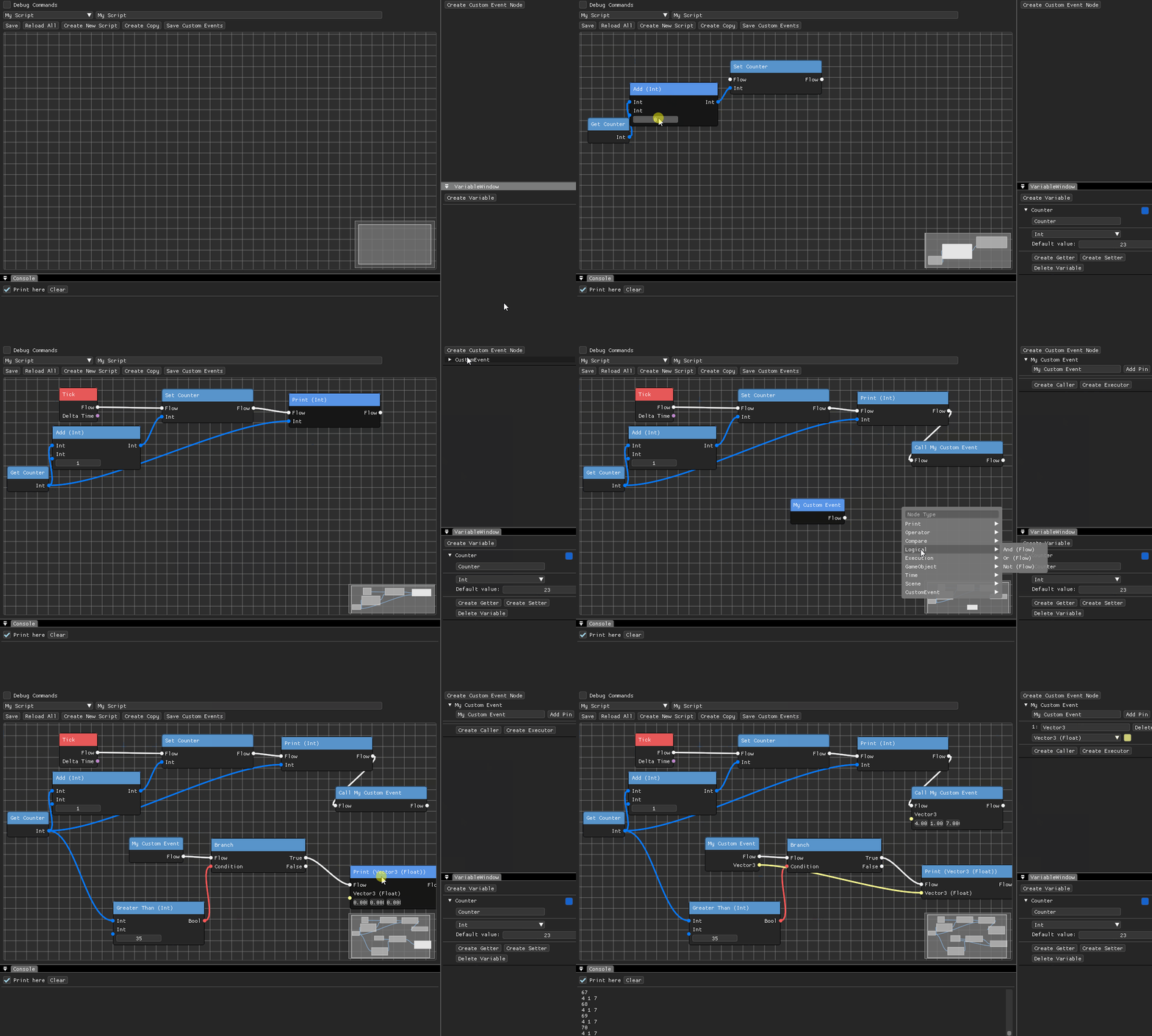
Node Scripting

Visualization of node scripting
Emil Olofsson

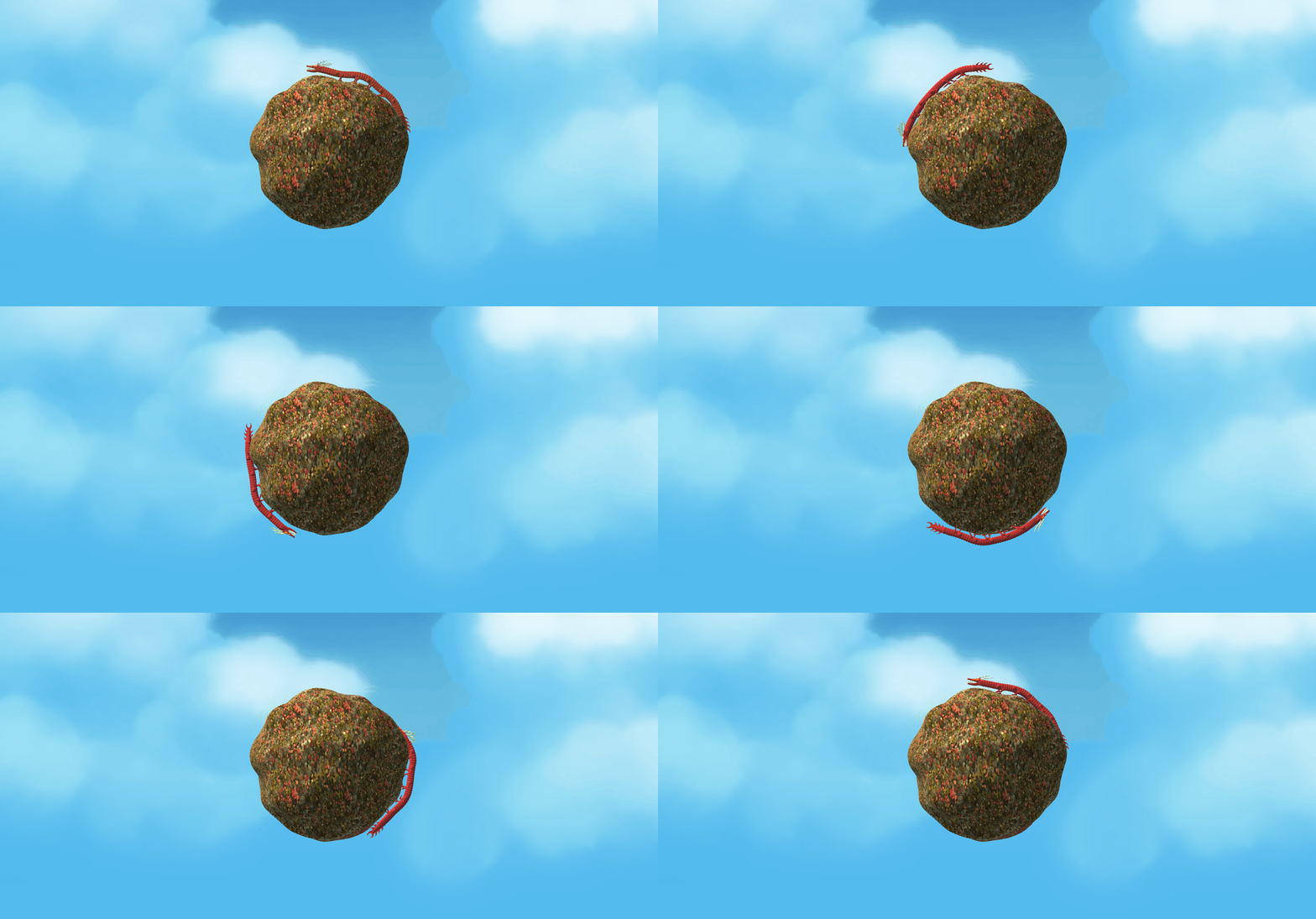
Procedural Animation

Procedural animation of a dragon walking on a sphere
André-Jäderqvist

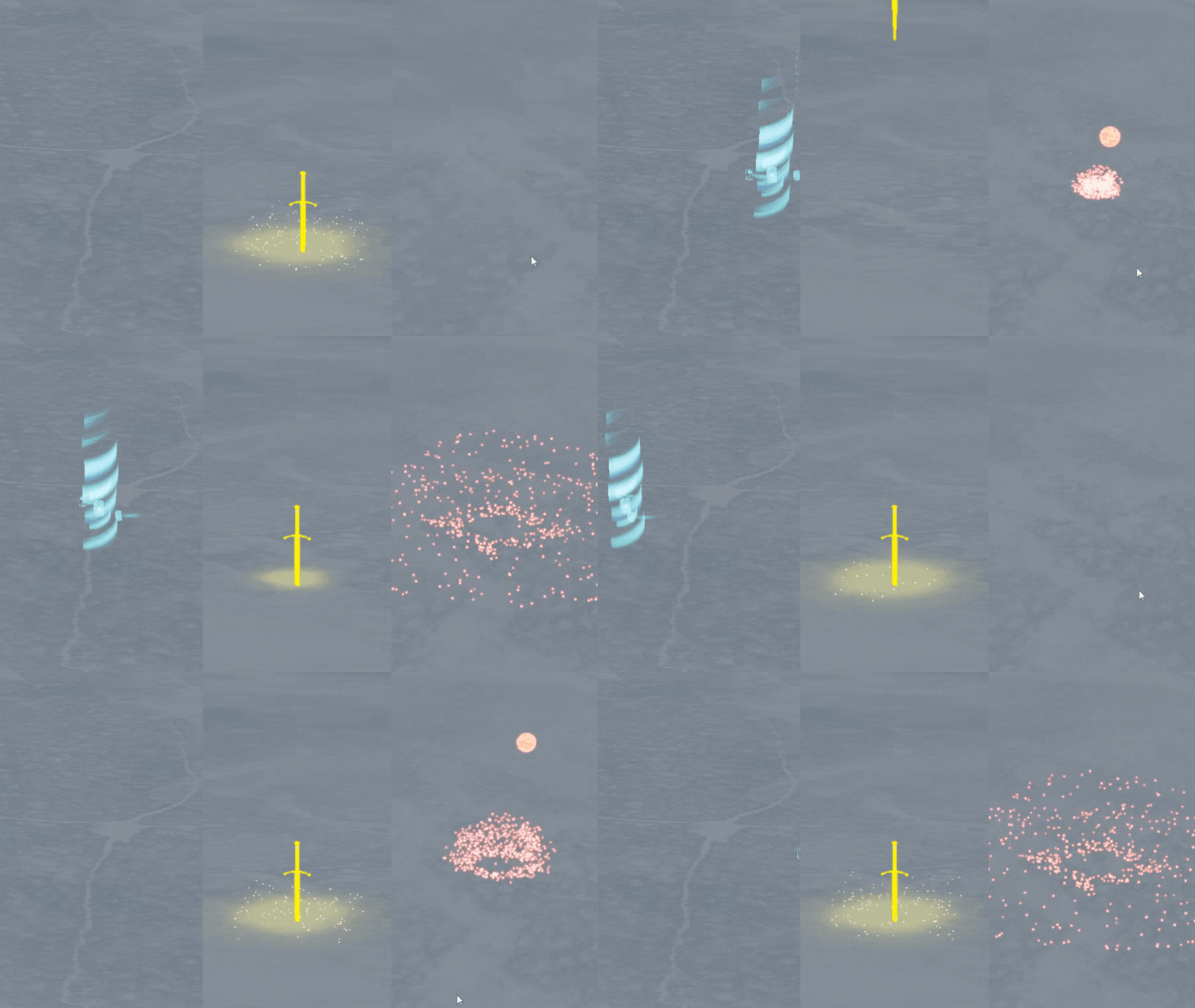
VFX System

Visualization of VFX system
Oscar Ruselius

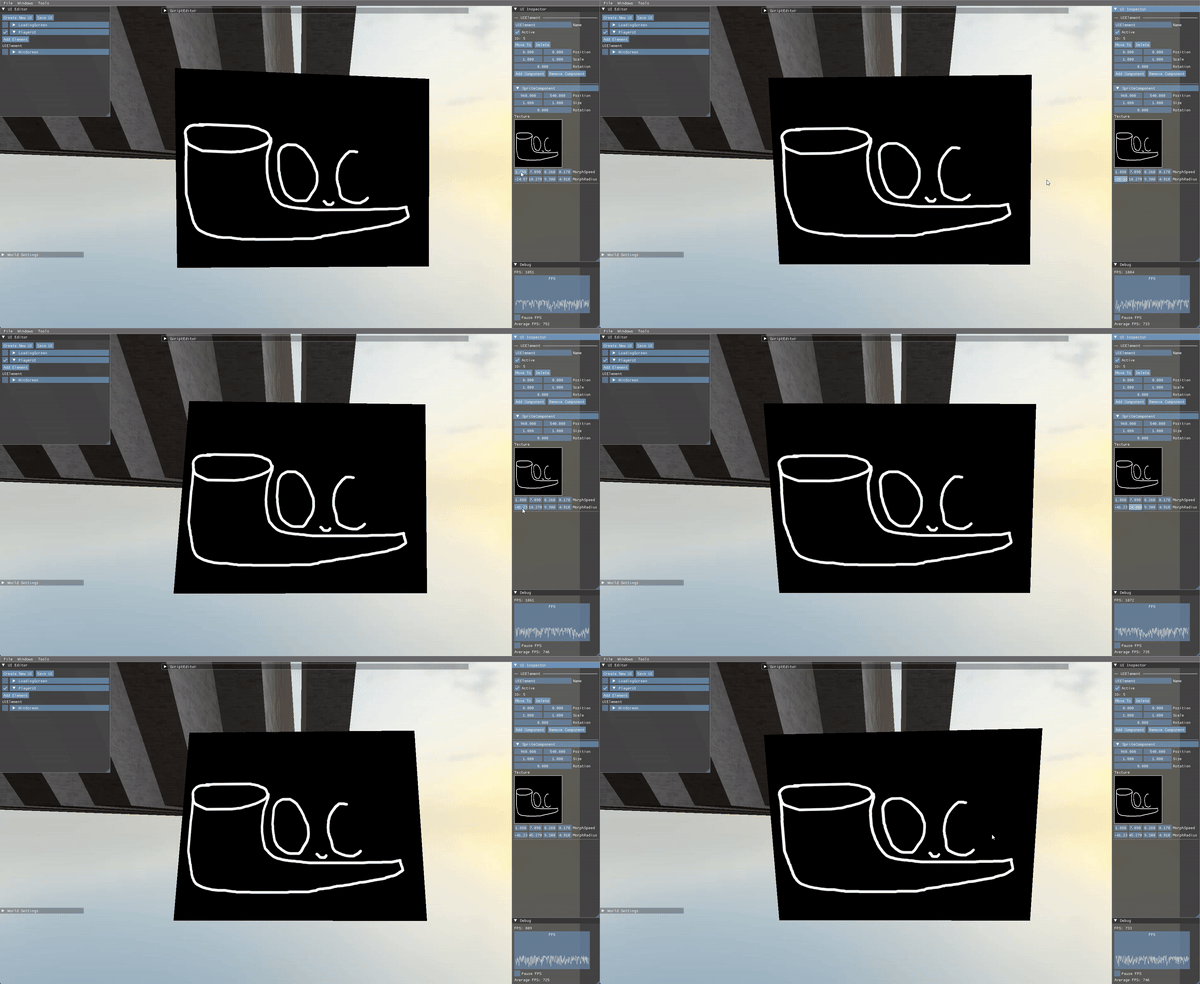
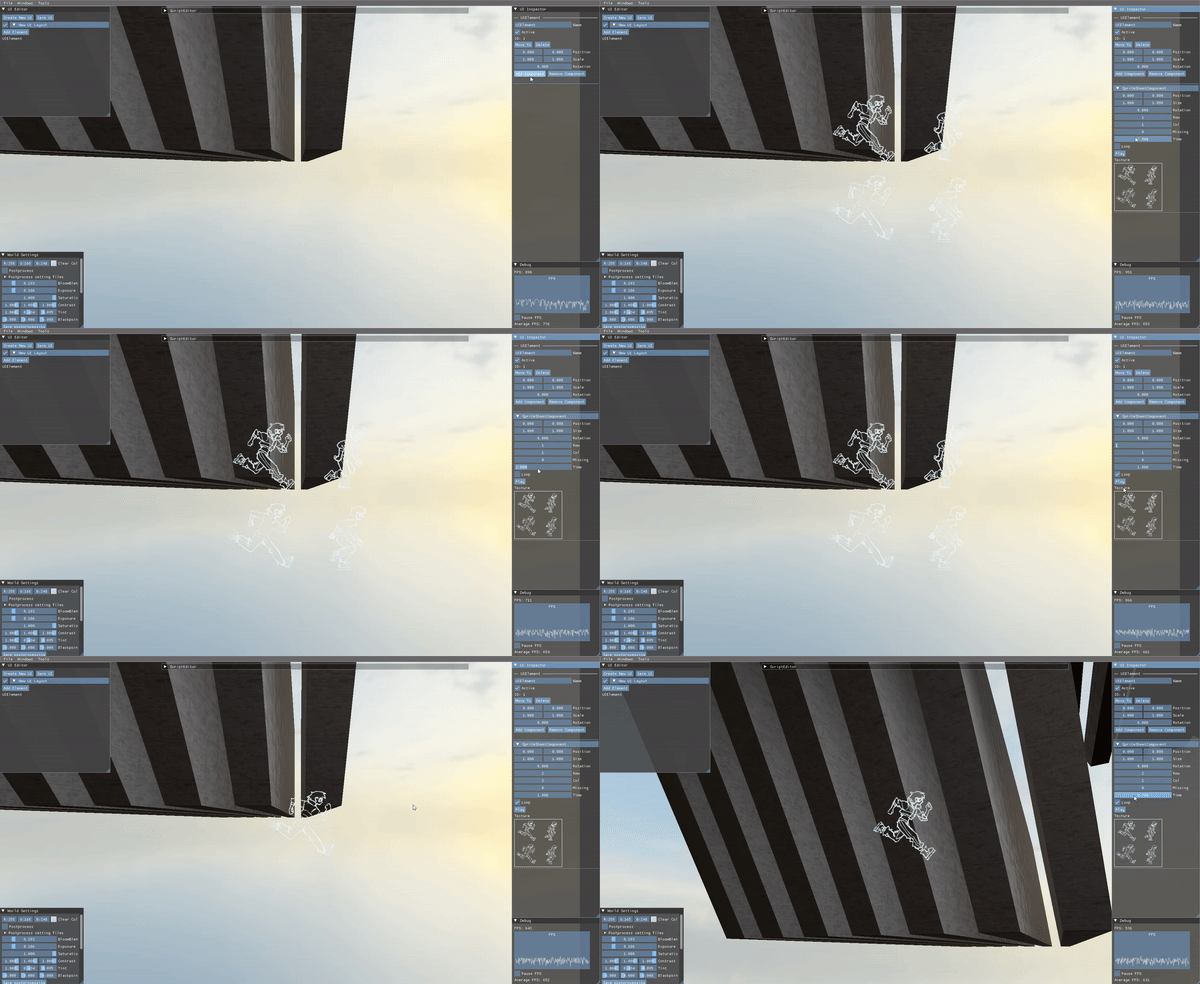
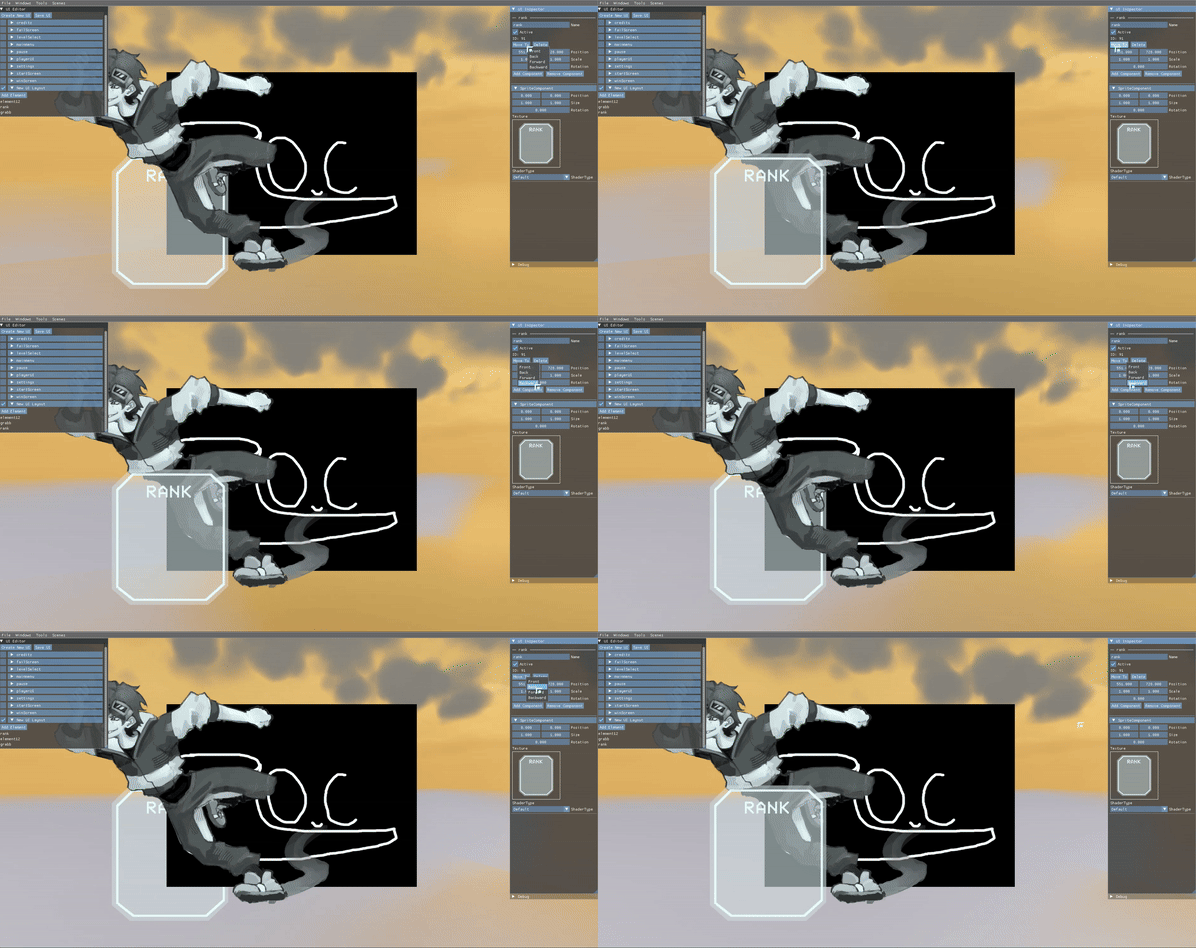
UI Editor

Showing UI Editor interface
Nathialie Tuovinen
1 / 3
Showing UI Editor interface
Nathialie Tuovinen
2 / 3
Showing UI Editor interface
Nathialie Tuovinen
3 / 3

Applying for the Course

To apply, follow these steps:

  1. Click the "Apply Now" button to access the application form
    (visible when the application is open).
  2. Be prepared to provide some key information — check the details below.
  3. Once you’ve submitted your application, we’ll get in touch with you!
    • Current or most recent education institution
    • Qualifications achieved (or expected)
    • Professional experience (if you’re not currently in education)
    • Link to your portfolio
    • You’ll need to complete a Programmer Entry Exam

Entry Requirements

Academic:

  • BTEC Level 3 in Computing
  • T Level in Digital Production, Design, and Development
  • GCE Advanced Level in Computing (Math or Science is also desirable)
  • GCSE grades 9 to 4 in subjects like Maths and English

Alternative:

  • Access to Higher Education Diploma, relevant work experience, or an international equivalent

Additional:

  • Applicants will complete a math test to demonstrate their aptitude in logical thinking and problem-solving.
  • Access to Higher Education Diploma, relevant work experience, or an international equivalent

FAQ

  • The Game Assembly is consistently ranked among the world’s top schools for game design and development by The Rookies. Since 2008, we’ve been a key provider of talent to the Swedish games industry, with 10% of the workforce made up of TGA alumni. In 2023, we proudly became members of Ukie.

    We are also part of AcadeMedia – Northern Europe’s largest education provider, educating nearly 200,000 children, young people, and adults every year.

    Would you like to see what our students create during their studies? Visit our YouTube channel to explore their work and be inspired!


  • Unfortunately, we don’t provide feedback on individual portfolios. This is because, as the evaluators of the submitted material, we aim to have as little influence on its content as possible. The best advice we can offer is to explore, showcase your work, and seek feedback. While it’s great to share your work with friends or family, it’s also a good idea to present it to others who can provide constructive feedback, such as through one of the many online forums or communities.

    Additionally, take a look at what others are sharing! How does your work compare to what’s already out there? What unique value can you bring?

There are no results matching your filtering.