Level Designer

Gain the skills, knowledge, and hands-on experience you need to pursue a career as a Level Designer.

About Level Designer

Do you dream of building unforgettable worlds in games? As a Level Designer, you’ll craft immersive environments and create gameplay experiences that captivate and delight players.

At The Game Assembly, our Level Design course puts you at the heart of game creation. You’ll learn how to design, iterate, and refine game levels that combine stunning visuals with engaging mechanics. From the earliest stages of development, using simple grey blocks, to collaborating with Game Artists and Programmers to bring your ideas to life, you’ll master the art of creating polished, functional, and memorable levels. You’ll gain hands-on experience with both the creative and technical sides of level design, preparing you to shape the next generation of interactive experiences.

Start Date September

Delivery Full Time, On Campus

Duration 2 years

Qualifications HND

Location Liverpool

Tuition Fee £8,900 per year

UCAS Code GA03

UCAS Points  104 -120

What does a Level Designer do?

A Level Designer creates the world in which the player navigates. This world doesn't necessarily have to resemble a simulated reality with houses, roads, and forests; some Level Designers craft puzzle games and more abstract experiences. As a result, companies utilise Level Designers in diverse ways.

What most Level Designers have in common is their passion for creating 'player stories' and shaping level flow.

  • As a Level Designer, you’ll script simple systems to ensure the level functions correctly while developing it conceptually. Other team members handle core systems and graphical elements, which you’ll integrate into the game world.

    You’re not afraid to communicate with various team members to resolve common issues. Close collaboration with other roles is essential for a successful game. You also take pleasure in driving game ideas forward and making them as polished and complete as possible.

    In other words, you’re an architect who enjoys being part of a larger team, working together to ensure all components fit seamlessly.

Collaborate with other disciplines to create games that follow current industry practices.

Course Overview

The Level Design course focuses on creating immersive and engaging game environments, where you will develop essential skills in designing, iterating, and refining levels to deliver well-thought-out gameplay experiences.

As the architect of the game world, a Level Designer begins by shaping environments using simple grey blocks, iteratively working with other disciplines—such as Game Art and Programming—to create polished, functional, and enjoyable levels. Along the way, you’ll gain expertise in both the graphical and technical aspects of level creation.

Crafted in collaboration with the games industry, this course ensures that the skills you acquire meet professional standards, focusing on both mastering your craft and collaborating effectively for optimal results.

A unique studio-simulated learning experience

What sets our course apart is its unique pedagogy, which closely simulates a real game studio environment. You’ll work in an agile setting, preparing you for the industry's rapid pace and changes. Mornings are dedicated to hands-on instruction in Level Design, while afternoons are spent collaborating with Game Art and Game Programmer students in a studio-like atmosphere. Daily stand-ups with your team provide the structure to create games in a realistic, professional environment.

Creating games together

In game development, teamwork and adaptability are essential, as the process integrates various disciplines—such as art, programming, and design—enabling experts to work seamlessly together. As a Leveldesigner at TGA, you’ll gain a deep understanding of the importance of working across disciplines and learn to navigate the opportunities and challenges of collaboration. Effective communication, including giving and receiving feedback, is a key focus that helps you develop the soft skills essential for success.

This course empowers you to take ownership of your skill development, providing a strong foundation for a dynamic and evolving career.


  • Course Modules


    Please be aware that the course modules may be subject to change.

    ▸ Introduction to Level Design
    ▸ Introduction to Scripting
    ▸ Introduction to Game Graphics
    ▸ In-depth Level Design
    ▸ Advanced Level Design
    ▸ Advanced Scripting
    ▸ In-depth World-building and Composition
    ▸ Specialization
    ▸ In-depth Technical Design
    ▸ Game project 1
    ▸ Game project 2
    ▸ Game project 3
    ▸ Game project 4
    ▸ Game project 5
    ▸ Game Project 6
    ▸ Game project 7
    ▸ Game project 8

Structure

5 Days a Week | 8 Hours a Day

At The Game Assembly, we replicate the structure and expectations of a professional game studio. From 9:00 AM to 5:00 PM, Monday to Friday, you’ll work on-site in a collaborative, industry-standard environment alongside peers from other disciplines.

This full-time schedule is designed to help you build the skills, independence, and work ethic required to thrive in the games industry. By embracing the rhythm of a 40-hour workweek, you’ll gain invaluable experience that mirrors real-world practices, ensuring you’re ready to transition seamlessly into studio life.

Software

Why Level Design at TGA?

  • ★ High Satisfaction Rate

    9 out of 10 students are satisfied with the course and would recommend it to others.*

    *Based on data from Sweden and Swedish students.

  • ★ Strong Employment Outcomes

    90% of graduates secure employment shortly after completing the course.*

    *Based on data from Sweden and Swedish students.

  • ★ Custom Game Engine

    Seize the opportunity to work with a custom-made game engine developed by TGA students, gaining highly valuable experience for both indie and AAA studios.

Student Projects

Our talented Swedish students created these projects. Perhaps next year, we'll be showcasing your excellent work here!

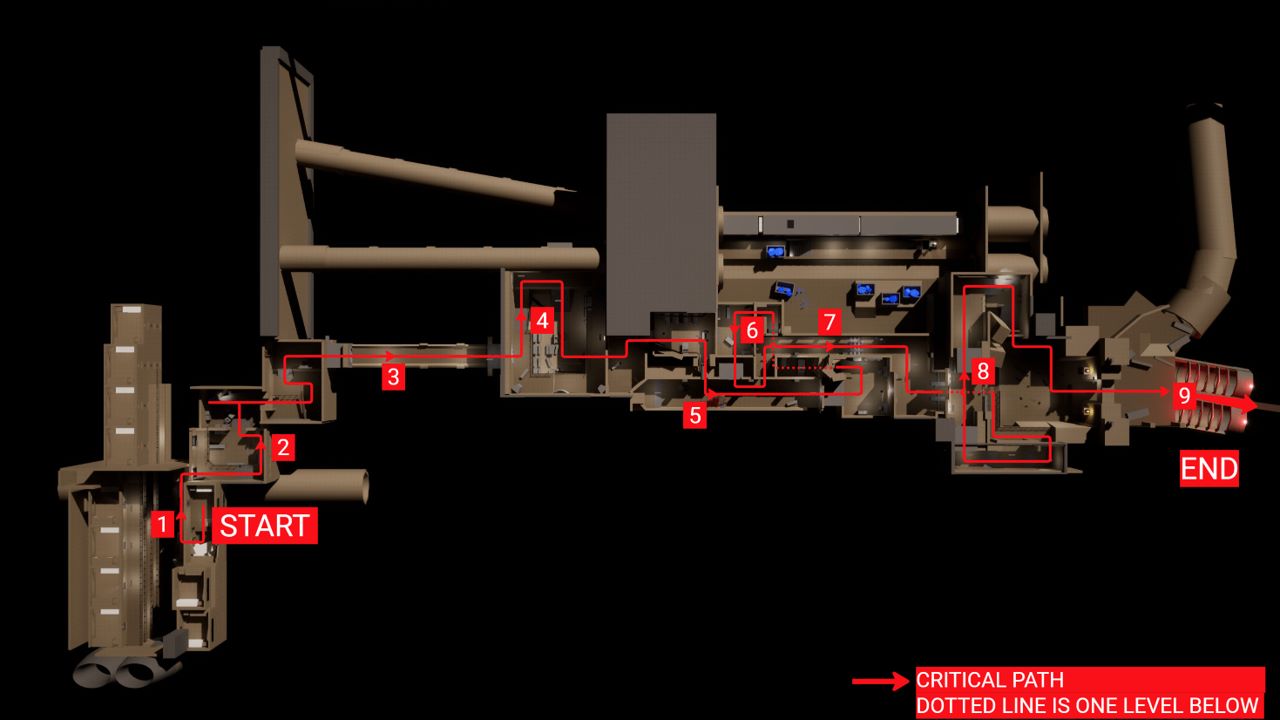
Image showing the flow of a level
Jakob Jerlström
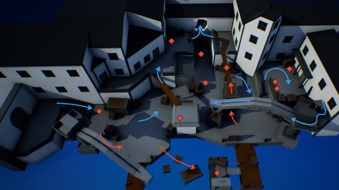
Image showing the flow of a level
Erik Gustavsson
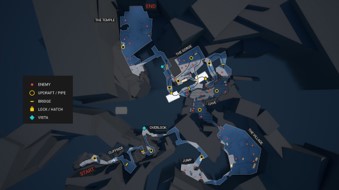
Image showing the flow of a level
Tobias Puusaari Lehmann
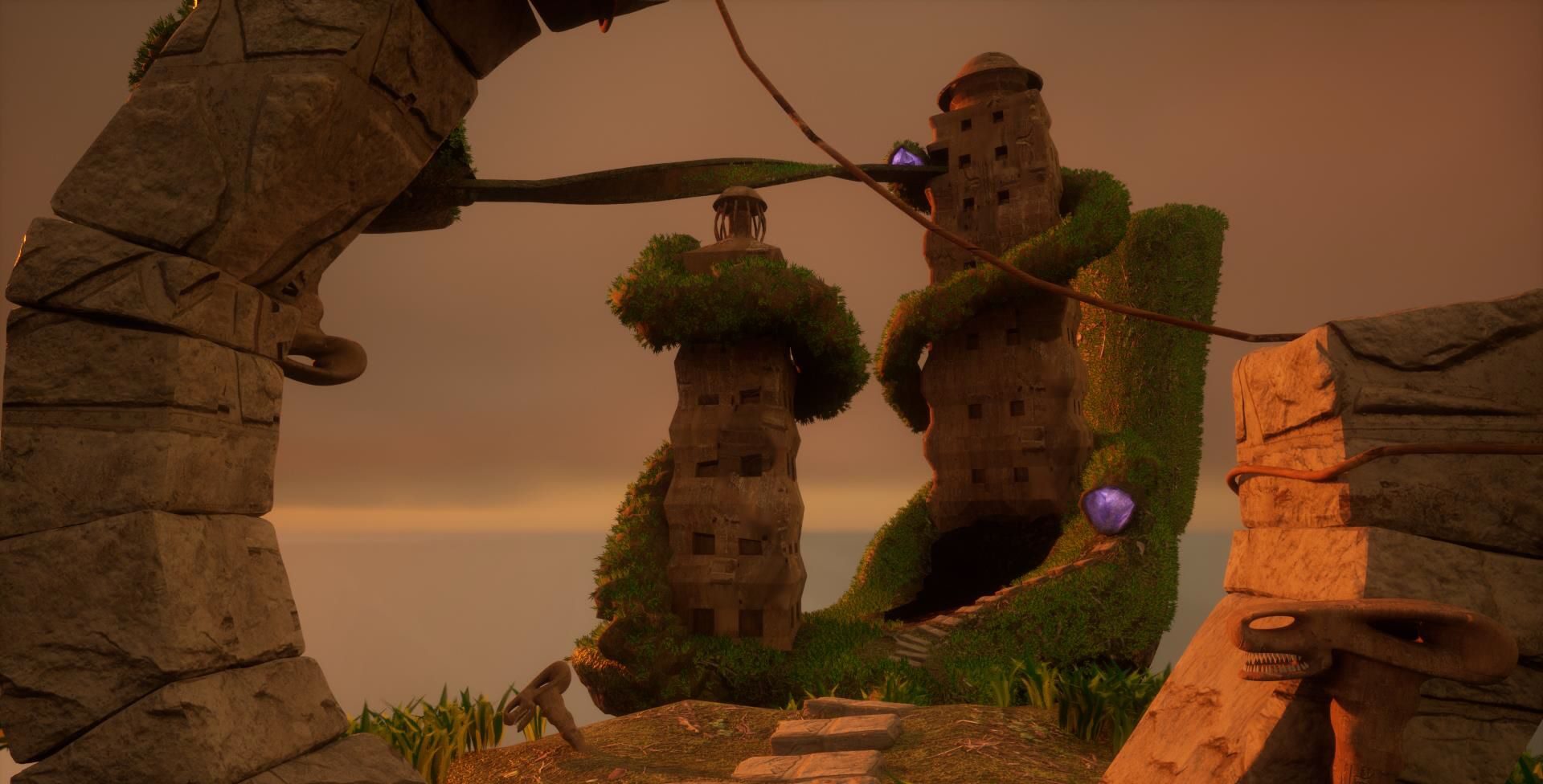
fantasy stone houses in an unreal world
Linus Andersson
1 / 3
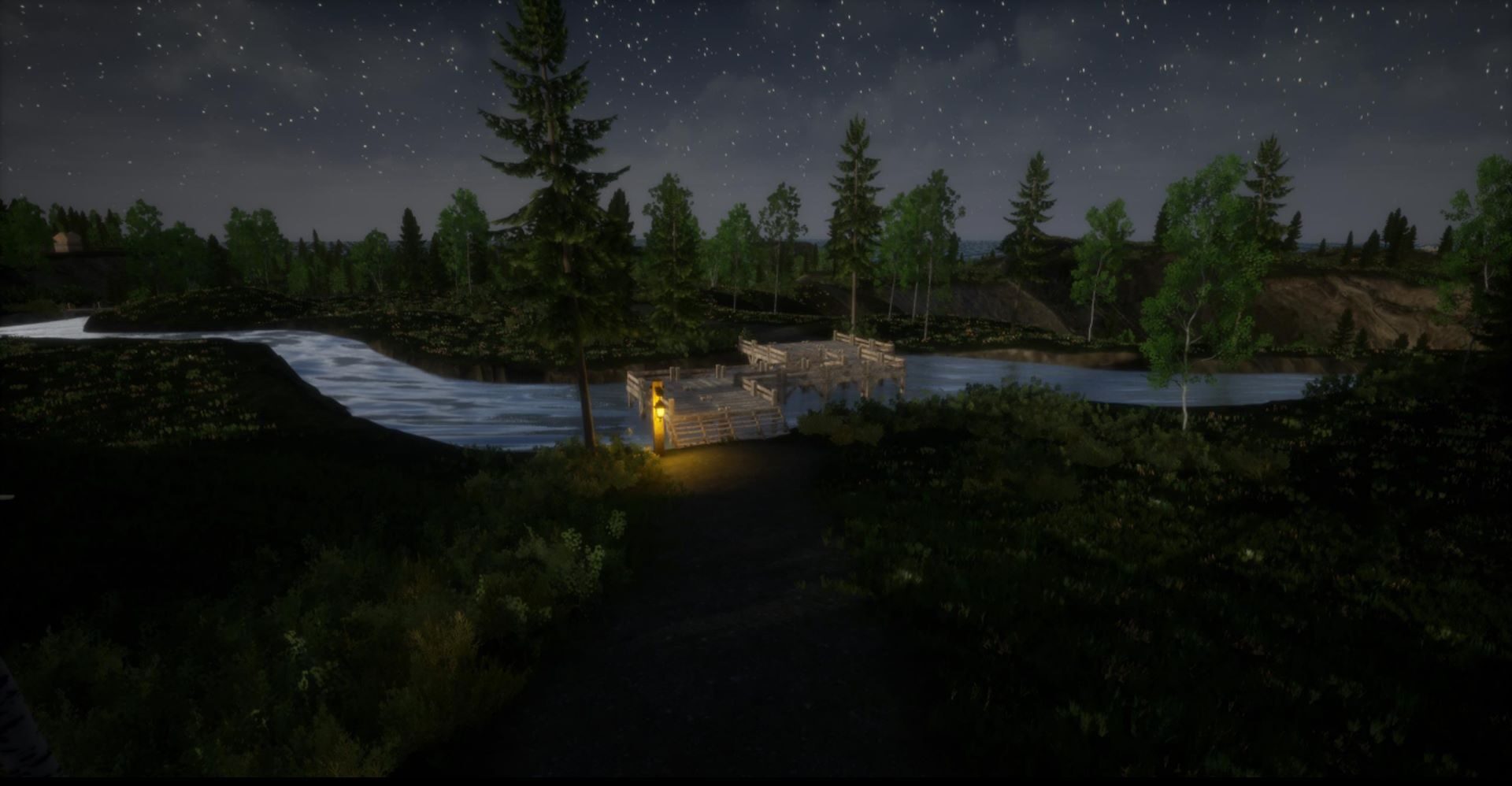
Night scene where a bridge made out of wood that goes over a river.
Alexandra Kervefors
2 / 3
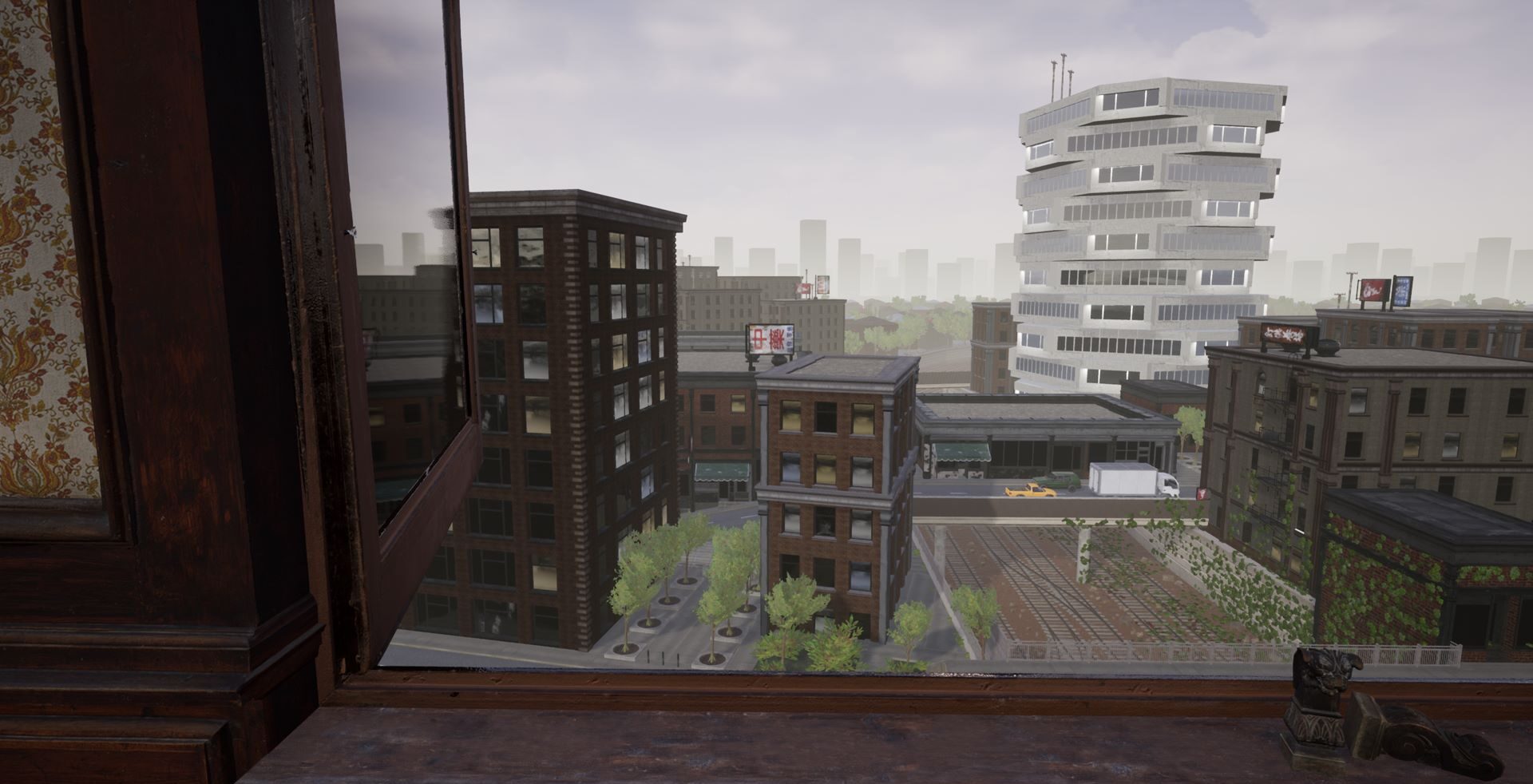
City scenery with buildings
Simon Almkvist
3 / 3

Applying for the Course

To apply, follow these steps:

  1. Click the "Apply Now" button to access the application form
    (visible when the application is open).
  2. Be prepared to provide some key information — check the details below.
  3. Once you’ve submitted your application, we’ll get in touch with you!
    • Current or most recent education institution
    • Qualifications achieved (or expected)
    • Professional experience (if you’re not currently in education)
    • Link to your portfolio
    • Brief description of your portfolio work

Entry Requirements

Academic:

  • BTEC Level 3 in Game Design or equivalent
  • T Level in Digital Production, Design, and Development
  • GCE Advanced Level in Design-related subjects
  • GCSE grades 9 to 4 in subjects like Maths and English

Alternative:

  • Access to Higher Education Diploma, relevant work experience, or an international equivalent

Portfolio:

  • Submit five pieces of work showcasing your creativity and potential as a Level Designer.
  • Examples include grey-blocked or playable levels, screenshots, renders, or Game Design Documents.
  • Work should highlight your understanding of gameplay, layout, and design.

Additional:

  • You may be invited for an interview to discuss your portfolio.

FAQ

  • Some of our events require pre-registration while others don’t. Full details on how and where to register are always specified in the event listing.

  • You can join us at our Liverpool campus, The Tea Factory, 82 Wood Street, Liverpool, L1 4DQ, United Kingdom.

  • Our events are for those interested in studying game development at TGA UK, including future students and their parents.

  • The school does not offer accommodation for students, but there are various providers offering student housing in and around Liverpool city centre. Below are a few options you may want to explore:

    Liverpool Student Homes (LSH)
    www.liverpoolstudentpad.co.uk

    The Student Housing Company
    thestudenthousingcompany.com

    Hope Street Apartments
    hoststudents.com/locations/liverpool/hope-street/

  • The Game Assembly UK is located in Liverpool.

    Our address:

    The Tea Factory
    82 Wood Street
    Liverpool
    L1 4DQ

  • Yes, a portfolio is required to showcase your work. For programmers, instead of a portfolio, you’ll need to complete a Programmer Entry Exam.

  • We offer full-time, on-campus courses in Game Art, Game Programming, and Level Design.

    You can find our courses here.

  • How to apply

    All applications to The Game Assembly are made through UCAS.

    Depending on the programme you apply for, you may be asked to:

    • Share details about your education and qualifications

    • Provide examples of your work or complete an entry task

    • Take part in an interview to discuss your application

  • The Game Assembly is consistently ranked among the world’s top schools for game design and development by The Rookies. Since 2008, we’ve been a key provider of talent to the Swedish games industry, with 10% of the workforce made up of TGA alumni. In 2023, we proudly became members of Ukie.

    We are also part of AcadeMedia – Northern Europe’s largest education provider, educating nearly 200,000 children, young people, and adults every year.

    Would you like to see what our students create during their studies? Visit our YouTube channel to explore their work and be inspired!


  • Unfortunately, we don’t provide feedback on individual portfolios. This is because, as the evaluators of the submitted material, we aim to have as little influence on its content as possible. The best advice we can offer is to explore, showcase your work, and seek feedback. While it’s great to share your work with friends or family, it’s also a good idea to present it to others who can provide constructive feedback, such as through one of the many online forums or communities.

    Additionally, take a look at what others are sharing! How does your work compare to what’s already out there? What unique value can you bring?

There are no results matching your filtering.